What Are the Most Common Performance Issues in Heavy Machinery?
Heavy machinery can face several common problems. One issue is engine trouble. If the engine is not running well, it can cause the whole machine to perform poorly. For example, if you notice strange noises or a drop in power, it might mean the engine needs attention. Another common problem is hydraulic system failure. The hydraulic system is essential for lifting and moving heavy items. If the machine is slow or unresponsive, this could be a sign of a hydraulic issue. Sometimes, the fluid level is low, or there are leaks in the system. Additionally, electrical problems can occur. If the lights are flickering or the controls aren't responding, there may be a wiring issue. Lastly, wear and tear can affect performance. Parts like tracks or tires can wear down over time. Regular checks can help spot these problems early. Addressing these issues quickly can prevent further damage and keep your machinery running at its best.
How to Fix Hydraulic System Issues in Heavy Machinery Effectively
Fixing hydraulic system issues is crucial for keeping your machinery running well. First, check the hydraulic fluid level. If it’s low, find out why and fill it up. Sometimes, leaks can cause the fluid to drop. Look for wet spots or puddles around hoses and connections. If you find a leak, it might be time to replace a hose or seal. Next, inspect the hydraulic filter. A clogged filter can restrict fluid flow, making the machine slow. If the filter looks dirty, replace it with a new one. Also, listen for unusual sounds. If you hear grinding or whining noises, it might mean there’s air in the system or a pump issue. Bleeding the hydraulic system can help remove trapped air, restoring normal function. Lastly, make sure the hydraulic lines are not kinked or damaged. Straightening out lines or replacing damaged ones can improve performance. By taking these steps, you can effectively resolve hydraulic issues and keep your machinery in top shape. Remember, regular maintenance is key to preventing problems in the first place!
How to Avoid Costly Mistakes
When working with heavy machinery, it is very important to be careful. Many people make mistakes that can cost a lot of money. To avoid these costly mistakes, first, always read the user manual before operating the machine. The manual has valuable information about how to use the machine safely and effectively. If you do not understand something in the manual, ask a supervisor or a more experienced worker for help.
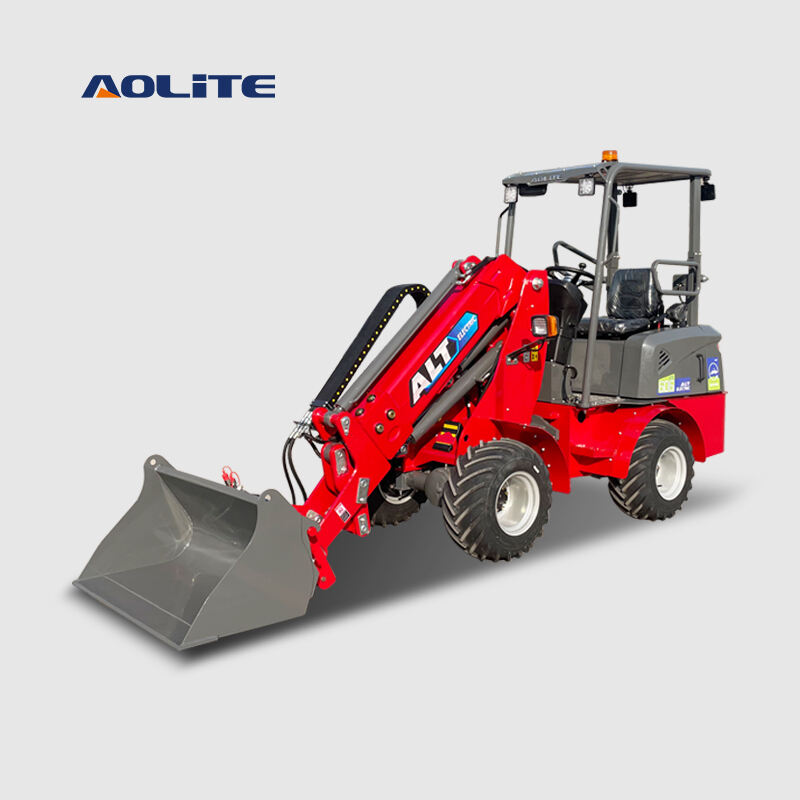
Next, make sure to inspect the machine before using it. Check for any loose parts, leaks, or unusual noises. If you notice anything strange, do not ignore it. Report it immediately to your supervisor. This can help prevent bigger problems later on. Regular maintenance is also very important. Following a maintenance schedule can keep the machine running smoothly and help catch problems early. Try to keep a log of all maintenance and repairs. This will help you know when the machine was last serviced and when it needs to be checked again.
Another tip is to train all operators properly. Each person should know how to operate the machinery and understand its features. If someone is not trained well, they may make mistakes that could damage the machine or cause accidents. At Yingnuo Heavy, we believe that safety comes first. Always wear safety gear, like helmets and gloves, when working with heavy equipment. This helps protect you and your coworkers from injury. Lastly, if you are unsure about something, it is always better to ask questions. Taking a little extra time to ensure everything is right can save you from big headaches later on.
Where to Source Quality Parts for Heavy Machinery Repairs
Finding good parts for heavy machinery can sometimes be tricky, but it is very important. Using high-quality parts can keep your machinery running well for a long time. At Yingnuo Heavy, we recommend starting by checking with your machine's manufacturer. They often sell original parts that are made specifically for your machine. These parts may cost a bit more, but they are usually the best choice for performance and safety.
You can also look for trusted suppliers in your area or online. Make sure to read reviews and see what other customers say about the parts they bought. It is important to choose suppliers that have a good reputation. Sometimes, used parts can be a good option, especially if they are in good condition. Just be careful and inspect used parts thoroughly before buying them.
Another great way to find quality parts is to connect with other people in the industry. Join online forums or groups where people discuss heavy machinery. You can ask for recommendations on where to find good parts. Many times, people will share their experiences and help you find the best places to shop.
Finally, always keep in mind that the cheapest option is not always the best. If a part is very cheap, it might not work well or last long. Investing in quality parts may cost more upfront but can save you money over time. Regularly maintaining your machinery with quality parts can help prevent bigger repairs down the road.
What Are the Signs of Wear and Tear in Heavy Machinery?
Knowing the signs of wear and wheel loader tear in heavy machinery is very important. If you can spot these signs early, you can fix problems before they become serious. One common sign of wear is strange noises. If your machine starts making new sounds, like grinding or squeaking, it could mean something is wrong. Pay attention to how your machine sounds during operation.
Another sign to watch for is leaking fluids. If you see oil or coolant on the ground where the machine is parked, that could mean there’s a leak. Leaking fluids can cause major damage if not addressed quickly. It is also a good idea to check the filters regularly. Dirty filters can cause the machine to work harder than it needs to. This can lead to back hoe loader faster wear and tear.
You should also look for any changes in performance. If the machine is not operating as smoothly or efficiently as it used to, it may be time for a check-up. Look for signs of overheating. If the machine gets too hot, it could lead to serious damage. Finally, inspect the physical condition of the machine. Check for cracks, rust, or worn-out parts. If you notice anything unusual, it’s best to contact a professional for advice.
At Yingnuo Heavy, we believe that staying aware of these signs can help you maintain your equipment backhoe wheel loader better. Regular inspections and being mindful of how the machinery operates can go a long way in extending its life. Keeping a close eye on your machinery will not only save you money but also ensure that it operates safely and effectively.